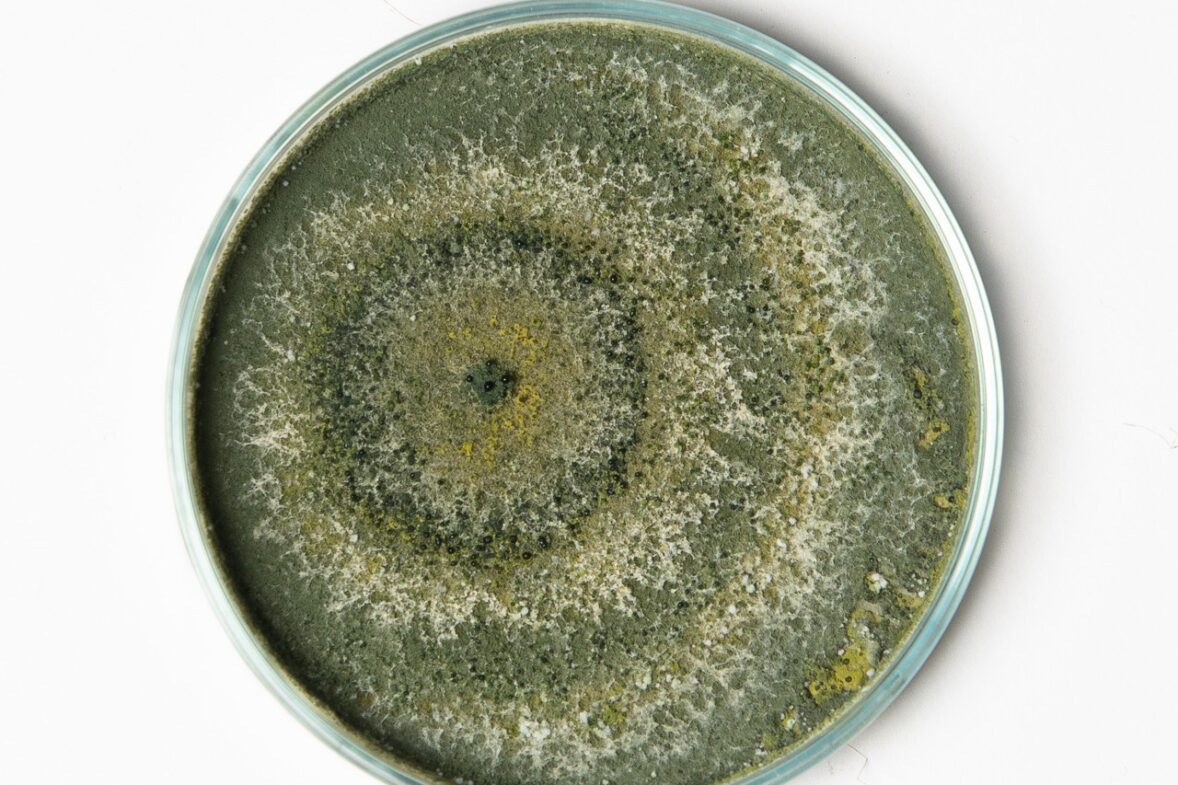
Microbial fertilisers
Testing packages

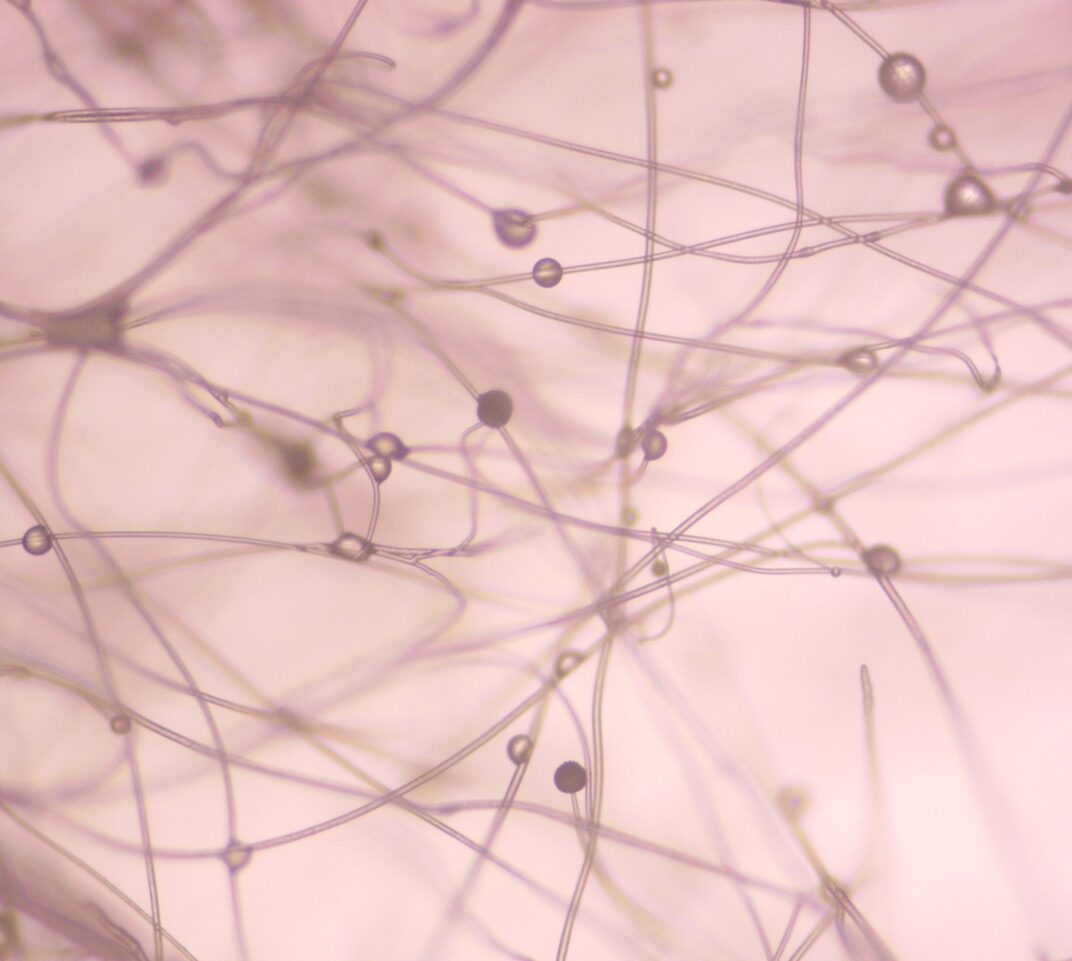
Microbial fertiliser analysis is required to verify fertiliser quality, as counterfeit products may be present on the market.

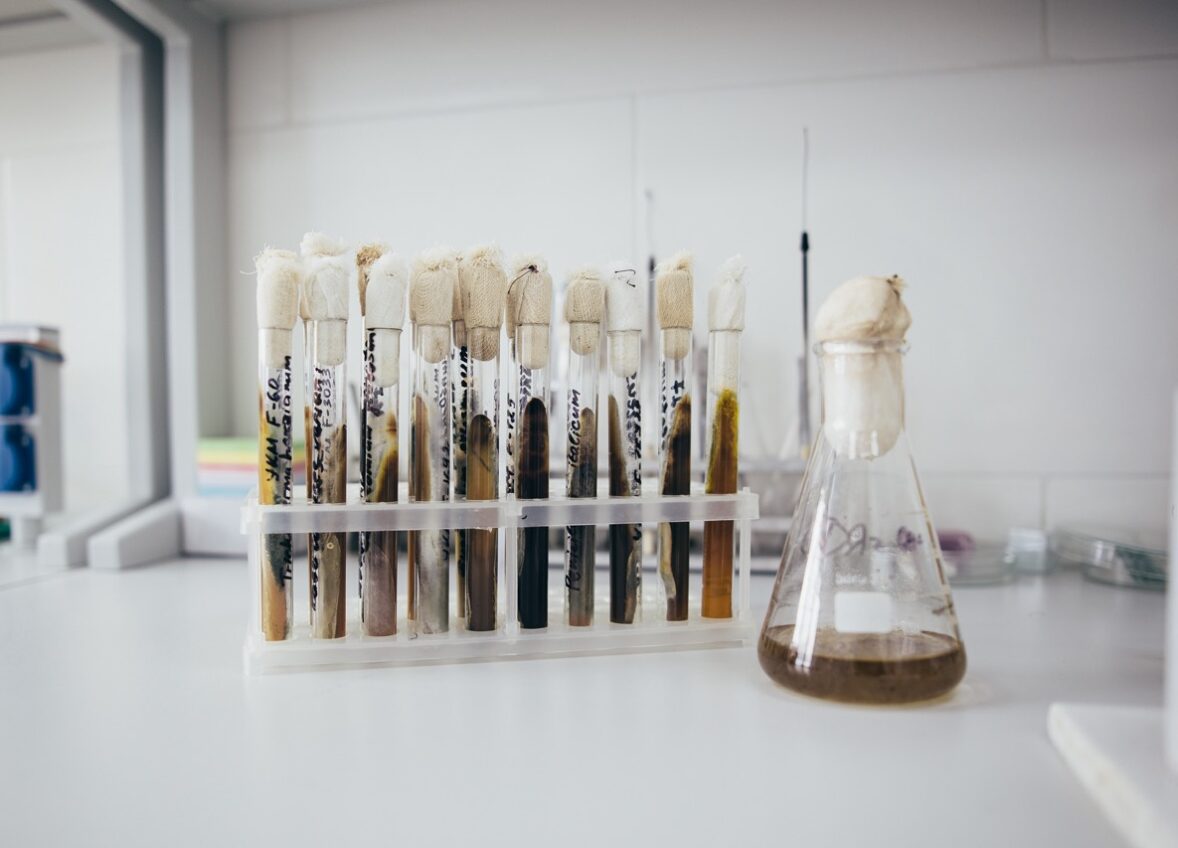
Microbial fertilisers are relatively new to the market, but they are becoming increasingly popular. These fertilisers contain microorganisms that are difficult to identify with the naked eye. To ensure the effectiveness and proper action of the fertiliser, it is necessary to verify the presence of the microorganisms stated by the manufacturer and determine their quantity.
 Microbial fertiliser analysis
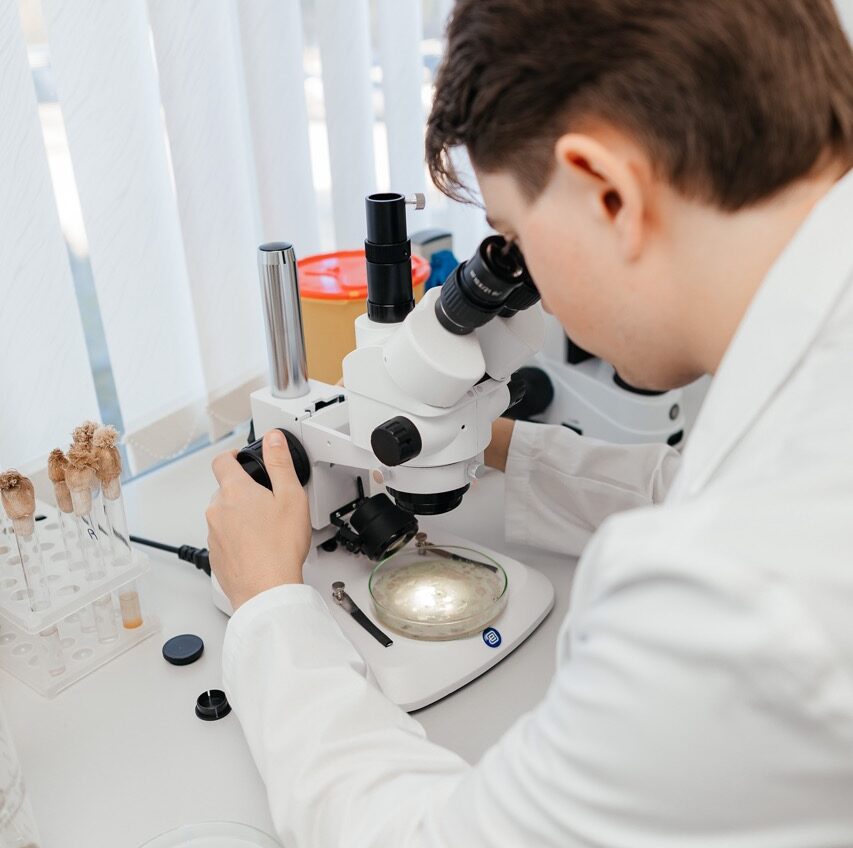 What does microbial fertiliser analysis include?
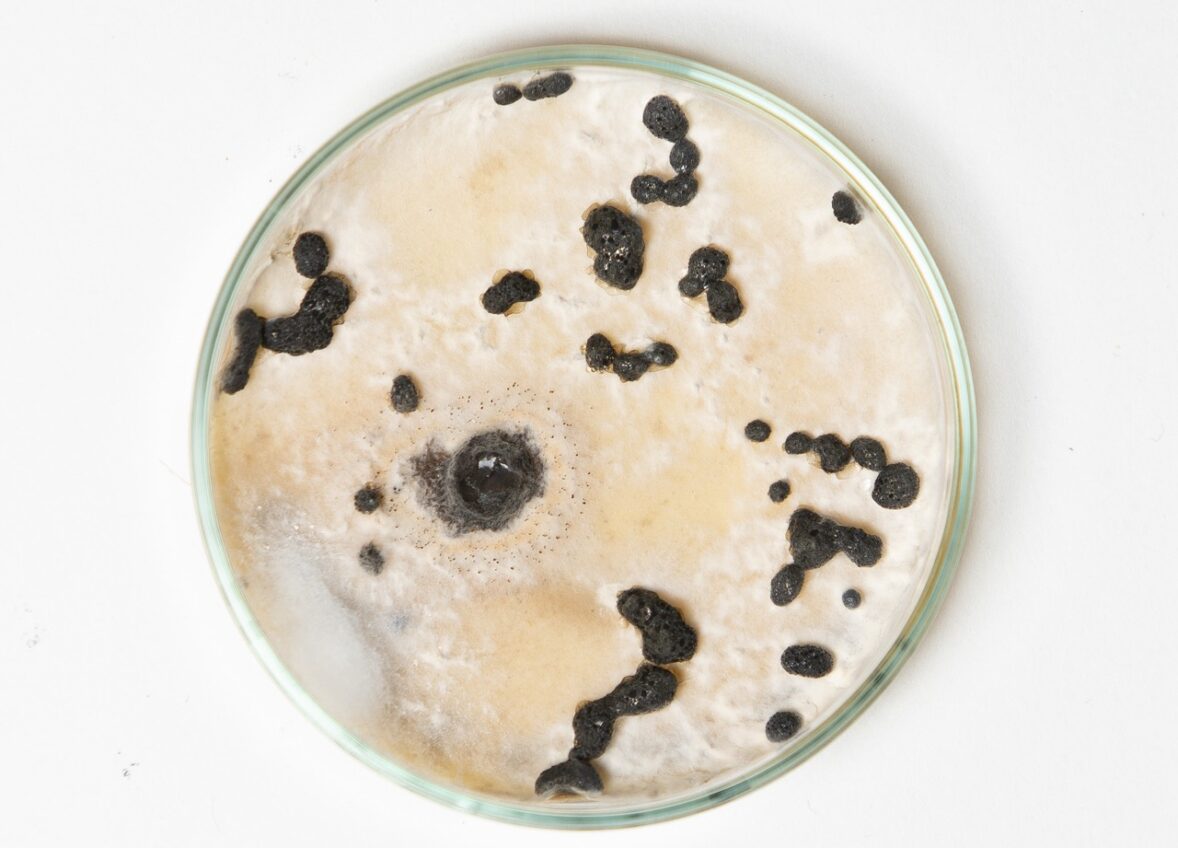
Microbial fertiliser analysis is performed by microbiologists. The first stage of the analysis is the identification of the microorganisms — fungi or bacteria — declared in the composition of the fertiliser. Fungal identification, including micromycetes, is carried out by inoculation onto differential media, followed by microscopy. Bacterial identification is performed using microscopy and microbiological test systems. The next stage of the study is quantitative analysis — determining the number of colony-forming units (CFU) in 1 ml of fertiliser.
 Details
The MicroBio Laba laboratory verifies whether the actual composition of a microbial fertiliser corresponds to the declared composition. You can order either a full analysis of the entire composition or testing for specific microorganisms of interest.
Stages 
 01
01
Ensure you are procuring high-quality fertilisers
 02
02
Ensure the fertilisers remain effective and of high quality
 03
03
Verify that the fertilisers remain of the required quality
Cost The cost of services is available in our price list. However, the final price may depend on additional factors. For example, when ordering analysis for a large number of samples, the service cost may be lower. To find out the exact amount, please contact a manager for a consultation.
 Details
How long does microbial fertiliser analysis take?
The analysis may take up to 15 working days, as microorganisms need time to grow on a nutrient medium for reliable identification.

 Instructions
 Laboratory analysis of microbial fertiliser samples should be carried out before procurement, after prolonged storage, or if storage conditions have been breached. Find out how samples should be collected - download the instructions below.
Before procurement. Before application to soil.
Following the sampling instructions, send the sample to the laboratory. Microbial fertilisers should preferably be sent in their original sealed packaging. This helps prevent foreign microorganisms from entering the fertiliser.
The timeframe may vary depending on several factors, including the number of samples, the complexity of the testing and the current workload of the specialists. The exact time for receiving the results will be confirmed by the manager. The estimated turnaround time for microbial fertiliser analysis is up to 15 working days.
Depending on the storage conditions and storage period. However, testing should be carried out at least once.