Price list
Service packages

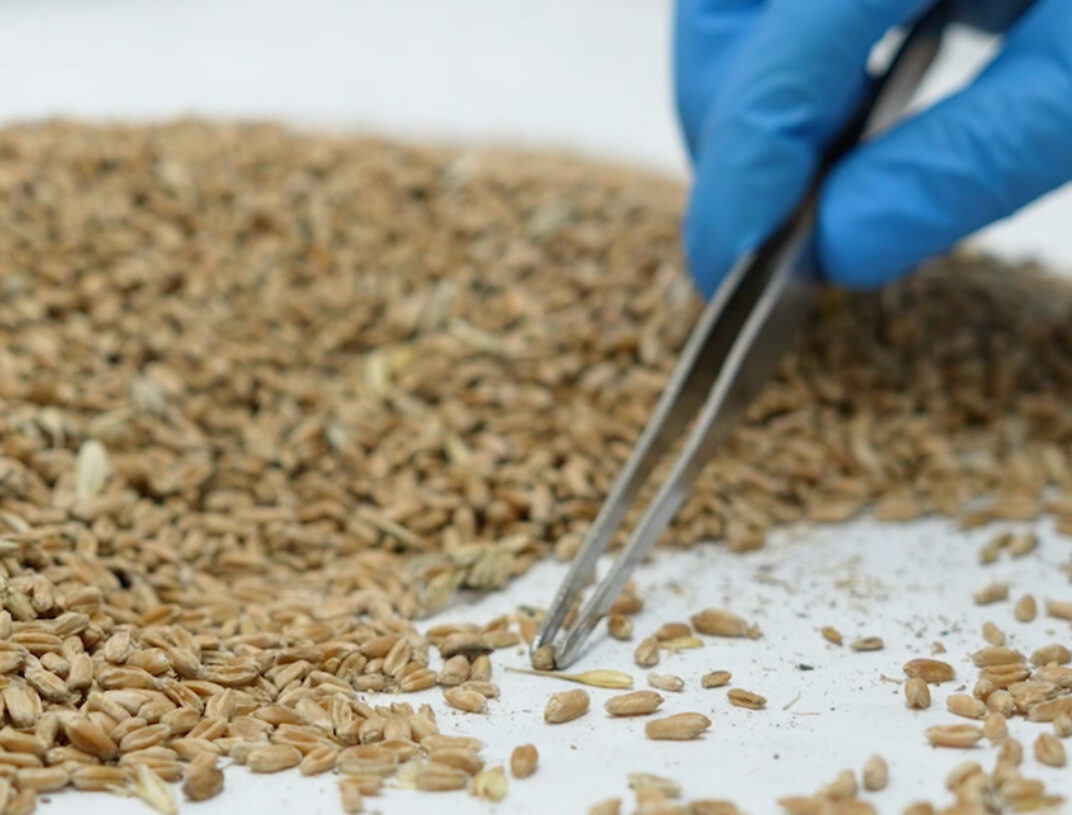
 Quality grain - a healthy harvest
 Phytopathological testing of grain and seed samples makes it possible to detect pathogenic microorganisms that may lead to deterioration in grain quality and reduced crop yields.
Phytopathological analysis of grain and seeds 



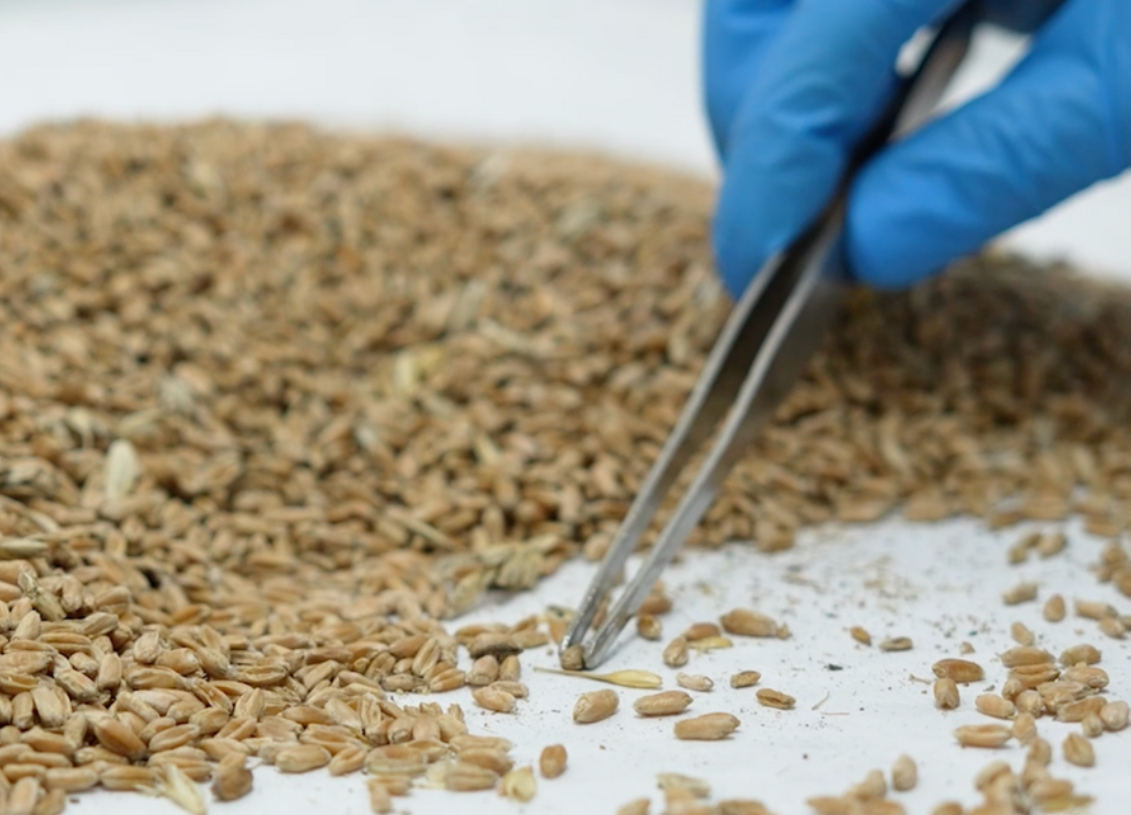
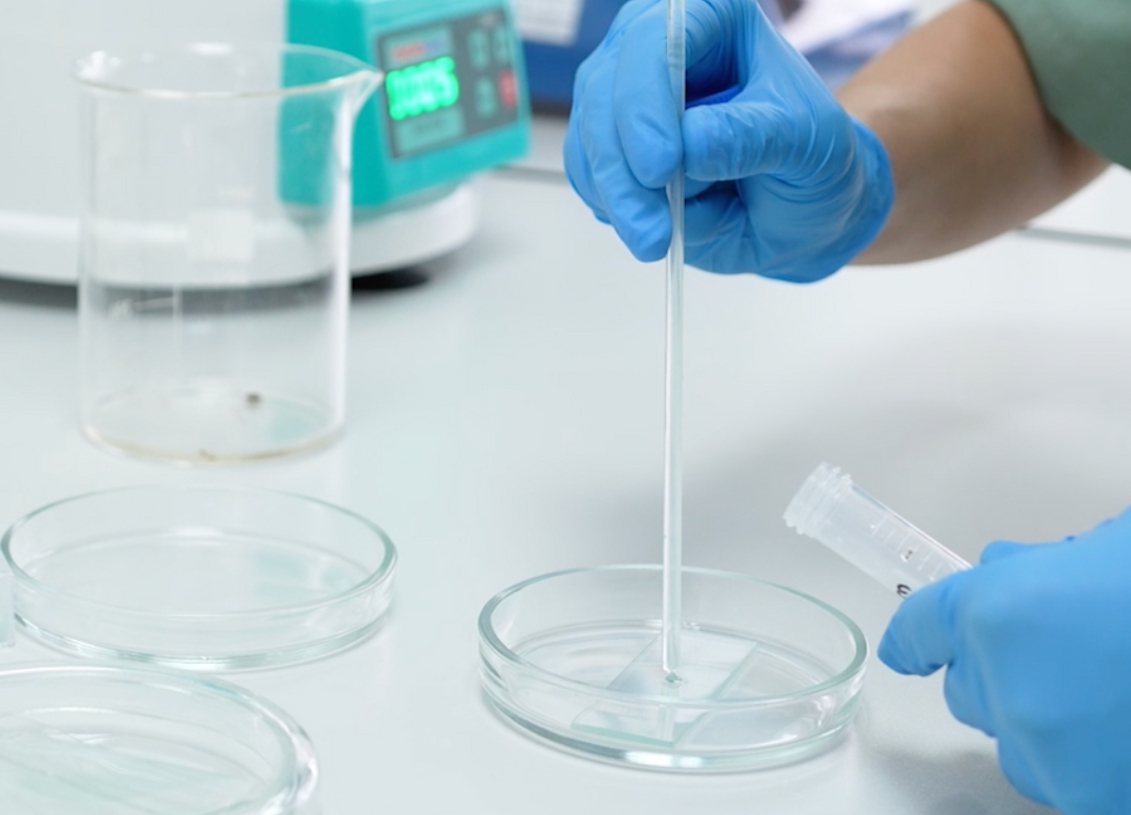 Phytopathological testing of grain and seed material
Diagnosis of fungal diseases — identification of pathogens associated with Fusarium diseases, Septoria, Alternaria, smut, helminthosporiosis, Cercospora diseases, rust, basal and root rots, mould contamination and other fungal infections.
Diagnosis of bacterial diseases — identification of pathogens associated with bacterioses, blights, rots, spot diseases, necroses and bacterial canker.
 01
01
Phytopathological testing helps verify that the grain is free from pathogens that may pose a risk to human health.
 02
02
Phytopathological testing will help you confirm that the seed material is not infected with pathogens that may lead to reduced crop yields.
 03
03
Phytopathological testing helps identify the type of pathogen affecting grain or seed material and select appropriate disease control measures.
 "MicroBio Laba"
To diagnose diseases in grain and seed material, MicroBio Laba performs comprehensive phytopathological testing using a range of complementary methods.


 Stages
  Price
Price The cost of the service depends on the number of parameters to be tested or on the selected service package. For detailed pricing, please refer to our price list or contact our manager for professional advice.
Instructions
Find out more Seed material quality is influenced by crop cultivation practices, soil and climatic conditions, regional factors and the types of fertilisers used.
Grain testing can be requested whenever required. It is most commonly carried out before export or before the grain is placed into storage.
Samples must be collected and submitted in accordance with the laboratory’s sampling guidelines. For further details, please contact MicroBio Laba by phone.
Test reports are provided to the client within the timeframe confirmed by the manager. The delivery method is agreed during the consultation.

Seed quality is an important indicator for agricultural producers. It affects not only yield volume and commercial characteristics, but also the company’s profitability. For this reason, producers prefer to use only high-quality seed material that meets the established requirements for sowing.
Seed testing carried out by MicroBio Laba helps assess its quality. We perform different types of testing using high-precision equipment and modern technologies. Our range of services also includes grain quality testing. Our agricultural laboratory helps determine moisture content, impurities, gluten content and other parameters.
Confirming the quality of seed material through laboratory testing is one of the key factors in building a positive reputation for producers and suppliers of such products. The availability of a test report increases customer confidence, supporting stable business performance and company development.
However, seed quality testing of agricultural crops is also important in other cases. This service can be requested by agricultural producers who want to verify that their seed material is of high quality. Grain quality testing should also be considered separately. It is required to check the properties of raw material before export or before placing it into storage.
During the testing process, laboratory specialists can carry out different types of examinations. These are aimed at determining the falling number, moisture content, germination capacity and thousand seed weight. In addition, testing can identify:
Seed material testing makes it possible to determine seed germination energy. In the case of grain testing, general parameters can be determined, including moisture content, infection and impurity levels. In addition, laboratory testing can identify protein mass fraction, gluten quality and quantity, falling number, chemical composition, viability, microflora and other characteristics.
Seed testing includes examinations that make it possible to determine compliance with established standards and requirements, as well as a number of important properties. The following methods are used for this purpose:
Grain quality testing involves physicochemical testing and organoleptic examination. During testing, it is possible to determine the levels of gluten, ash, protein and other substances.
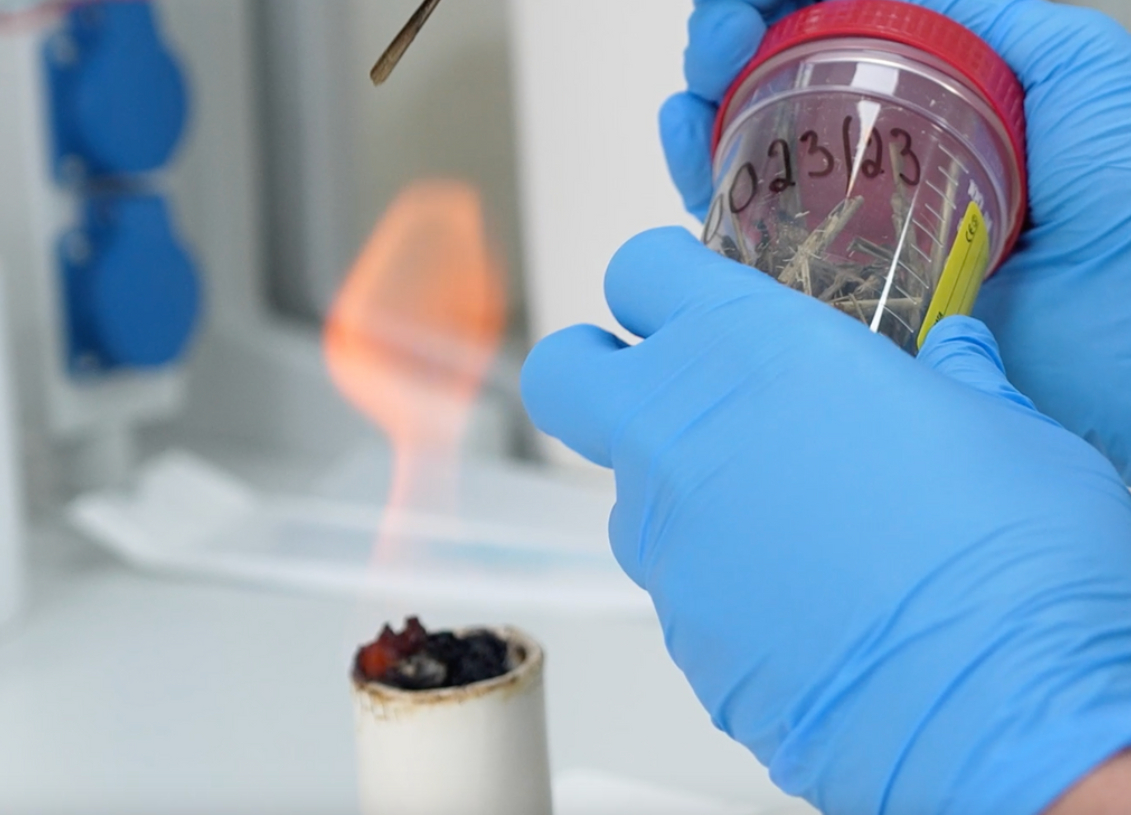
Laboratory specialists perform testing in several stages. Special equipment and tools are used at each stage. The client is required to provide samples for testing and specify the request.
To order seed testing, simply contact the laboratory. You can submit a request on the website or contact us by phone. Once the details, including the cost, have been agreed, the samples should be submitted in accordance with the laboratory specialists’ recommendations. The manager will inform you of the date when the results will be ready.
The price of services is specified in the price list. However, additional factors may affect the final cost. These include the number of samples and the method of sample delivery. If the client visits the laboratory in person and requests a large number of tests, the cost may be reduced. To find out the exact price, please contact the laboratory and describe your request.
Test reports contain valuable information for agricultural producers and suppliers of seed material. They make it possible to:
In addition, test results help calculate seeding rates, both by quantity and by weight, and optimise the use of seed treatment products.
Laboratory testing of grain and seed material carried out by MicroBio Laba provides complete, accurate and detailed information. This is made possible by the professionalism of our specialists and the use of modern equipment and reagents.
An important factor is accreditation to the international standard DSTU ISO/IEC 17025 in the field of microbiological and physicochemical testing. This helps ensure reliable results. To order seed testing or chemical analysis of grain in the laboratory, simply contact our managers in the most convenient way.