
image
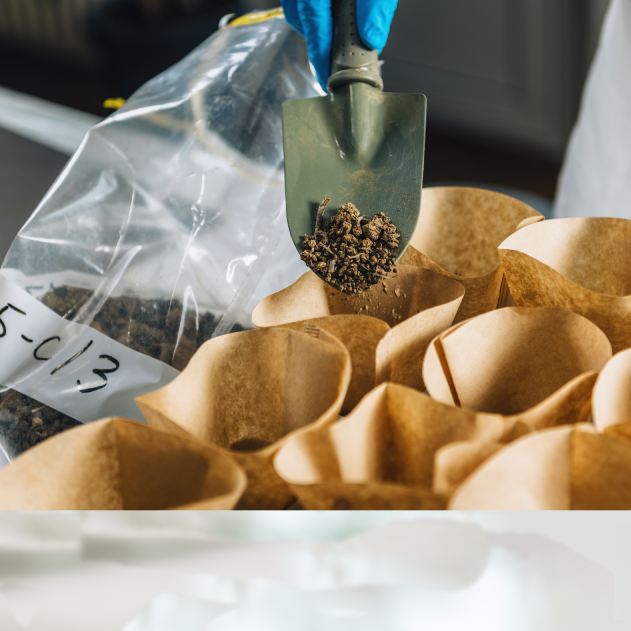
image Balanced soil microbiota supports natural soil nutrition, protection and restoration.

Microbiological soil testing

Soil microbiota analysis is an important component of comprehensive soil testing, as it helps assess the quantity and activity of beneficial microorganisms that influence soil fertility, soil structure and plant health. It also provides insight into the biological activity of the soil — in other words, how “living” the soil is and how effectively it can naturally decompose organic matter and supply plants with nutrients.

image Microbiological soil testing
Soil microbiota analysis is important for:
Assessing soil health
The abundance and activity of microorganisms in soil indicate its biological fertility, capacity for self-recovery, role in nutrient cycling and resistance to degradation.
Monitoring the impact of agricultural technologies
Soil microbiota is highly sensitive to changes in conditions, including fertilisation, tillage, pesticide use and green manuring. This makes it possible to assess the environmental compatibility and effectiveness of these practices.
Developing biologically based approaches
The analysis helps select or adjust the use of microbial products, such as inoculants and biostimulants, to support or enhance beneficial microbiota.
Microbiological soil testing is recommended in the following cases:
When soil-related problems are suspected 01
When soil-related problems are suspected

Poor germination, slow crop development or reduced yields without any obvious cause

image
Before starting crop cultivation 02
Before starting crop cultivation

To assess the biological condition of the soil and select appropriate fertilisers or biological products.

image
After prolonged intensive use of the soil 03
After prolonged intensive use of the soil

When soil depletion, reduced fertility or disruption of the microbiota balance may occur.

image
After applying organic matter or microbial products 04
After applying organic matter or microbial products

To monitor the effectiveness of applied biological products, such as inoculants, biostimulants and others.

image
During the transition to organic farming 05
During the transition to organic farming

To monitor the restoration of natural soil microbiota and adapt agricultural practices.

image
For scientific, agroecological or monitoring studies 06
For scientific, agroecological or monitoring studies

As part of a comprehensive soil condition assessment.

image
image Soil microbiota analysis is important for:

Microbiological soil testing includes the determination of the following parameters:
  • Determination of the abundance of soil microbiota, including ammonifying, pedotrophic, oligonitrophilic and nitrogen-fixing, amylolytic, oligotrophic, phosphate-mobilising and cellulolytic bacteria, as well as streptomycetes and micromycetes
  • Calculation of soil microbiological activity indices, including the pedotrophy coefficient, nitrogen mineralisation/immobilisation coefficient and oligotrophy coefficient.
  • Determination of soil biological activity, including microbial respiration and microbial biomass.
Our advantages
icon-4
Accredited to DSTU
ISO/IEC 17025
icon-6
Premises area
670
icon-8
Analyse up to
10000 samples per year
logo-small Stages
How to order an analysis in our laboratory?
float-1
  1. Step 1
    Contact the laboratory with a request
  2. Step 2
    Receive a commercial offer
  3. Step 3
    Collect samples according to instructions
  4. Step 4
    Fill out an application for testing
  5. Step 5
    Send samples to the laboratory
  6. Step 6
    Receive analysis results
image Pricing
Price list

The cost of the service depends on the number of parameters you would like to test or on the package you select. To find out the cost of the service, please refer to our price list or contact our manager for a consultation.

image Instructions
Documents for download