
What Are Humates: Types, Principle of Action, and Effect on Plants
When a soil analysis shows a low level of organic matter, the first thing an agronomist thinks about is how to replenish the deficiency without a chemical imbalance. Humic fertilizers solve this problem differently than classic mineral supplements. They work not only with plant nutrition but also with the soil structure itself. Understanding what a humate is, its composition, and the rules of its application is important before the product ends up in the tank.
What are humates and what are they used for?
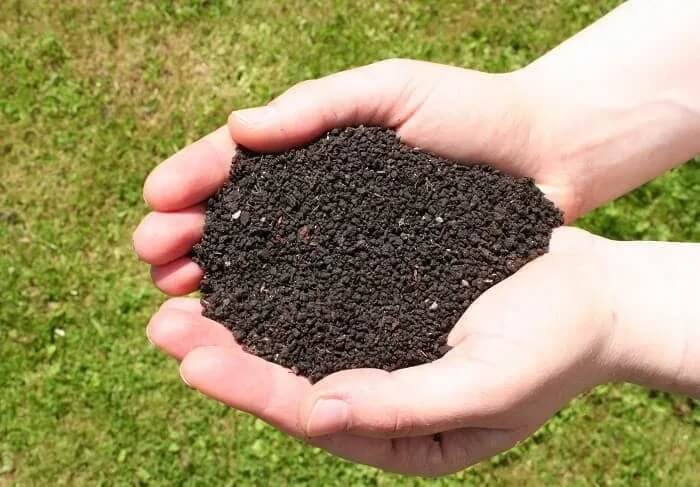
Humates are a group of organic compounds obtained from natural raw materials: brown coal, leonardite, peat, and sapropel. The natural humification process underlies the formation of these substances. The raw material undergoes alkaline extraction. The alkali breaks the bonds between organic fractions, resulting in the release of bioavailable humic substances and fulvates. The application of such products provides two parallel effects. The direct effect is that plants are saturated with organic matter, amino acids, macronutrients, and micronutrients, and the absorption of water and oxygen by the root system improves. What is humate needed for besides nutrition? The indirect effect is equally significant: the microbiological activity of the soil improves, and its water-physical structure normalizes, which affects fertility and the quality of seedlings. That is why these products are especially in demand on depleted or degraded soils with a low humus content.
Varieties of humates: main types
At the core of any product are three fractions of organic substances: humic acids (soluble at a pH above 2), fulvic acids (active across the entire acidity range), and humin – an insoluble residue that remains in the soil and affects its physical properties. What a humate is made from largely depends on the manufacturer and the intended purpose of the product. By form of release, the types of humates are divided into liquid concentrates, powders, and granular forms.
Potassium humate
This type works as a growth stimulator, but its spectrum is broader. Liquid potassium humate accelerates fruit ripening, enhances the effect of mineral fertilizers when applied together, and positively affects the survival rate and leaf apparatus of seedlings.
Complex-type fertilizers
Complex products combine an organic base with mineral components. The composition includes humic acids, macronutrients (nitrogen, phosphorus, potassium), and micronutrients (iron, zinc, molybdenum, and others). This format is especially convenient when it is necessary to simultaneously improve the soil and provide crops with a set of nutrients. The most effective are humates with a high content of amino acids and with silicon.
Advantages of humic fertilizers and their limitations
Among the effects of using these products are:
- acceleration of photosynthesis;
- soil recovery after depletion;
- stimulation of vegetative growth;
- activation of beneficial soil microorganisms;
- improvement in the development of the root system and stems.
With regular use, the humus layer recovers more actively, and crop yields in such areas grow noticeably. The yield from the systematic use of humates increases especially significantly where organic matter is in short supply. Before purchasing a product, it is recommended to conduct a fertilizer analysis to ensure the composition matches the declared characteristics. Humates are not a universal solution. They work as enhancers and restorers, not as quick feedings. In addition, the product’s impact on crops directly depends on its quality: a low-grade product with an unconfirmed composition may not only fail to yield results but can also harm the crops.
How do humates affect plants?
Humate fertilizers affect the plant on three levels: cellular, physiological, and chemical. At the cellular level, cell division and growth are activated, which accelerates the overall development of the crop. Physiologically, nutrient uptake and chlorophyll synthesis are improved. What do humates give plants from a practical point of view? First of all – the accelerated formation of the root system and increased resistance to drought and frost. The product can be applied in different phases: during pre-sowing seed treatment, during the vegetative period once every 2-3 weeks, and after stress impacts on the crop. Humate fertilizers can be used both in the open field and in a greenhouse.
Why is the quality of humate more important than the price?
The market for humic fertilizers is saturated, and among the offers, there are products with a reduced concentration of active substances or an entirely inconsistent composition. Counterfeits may contain ballast or toxic compounds that accumulate in the soil and suppress crops. This is especially critical when working with new suppliers or when purchasing large batches.
How to check the quality of humic fertilizers?
Laboratory testing allows you to establish the actual concentration of humic and fulvic acids, identify foreign impurities, and compare the real composition with what is stated on the label. You can check humates at the MicroBio Laba agrochemical laboratory. The laboratory works with various types of fertilizers, issues official reports, and helps agrarians make informed decisions when choosing products for specific farm conditions.